
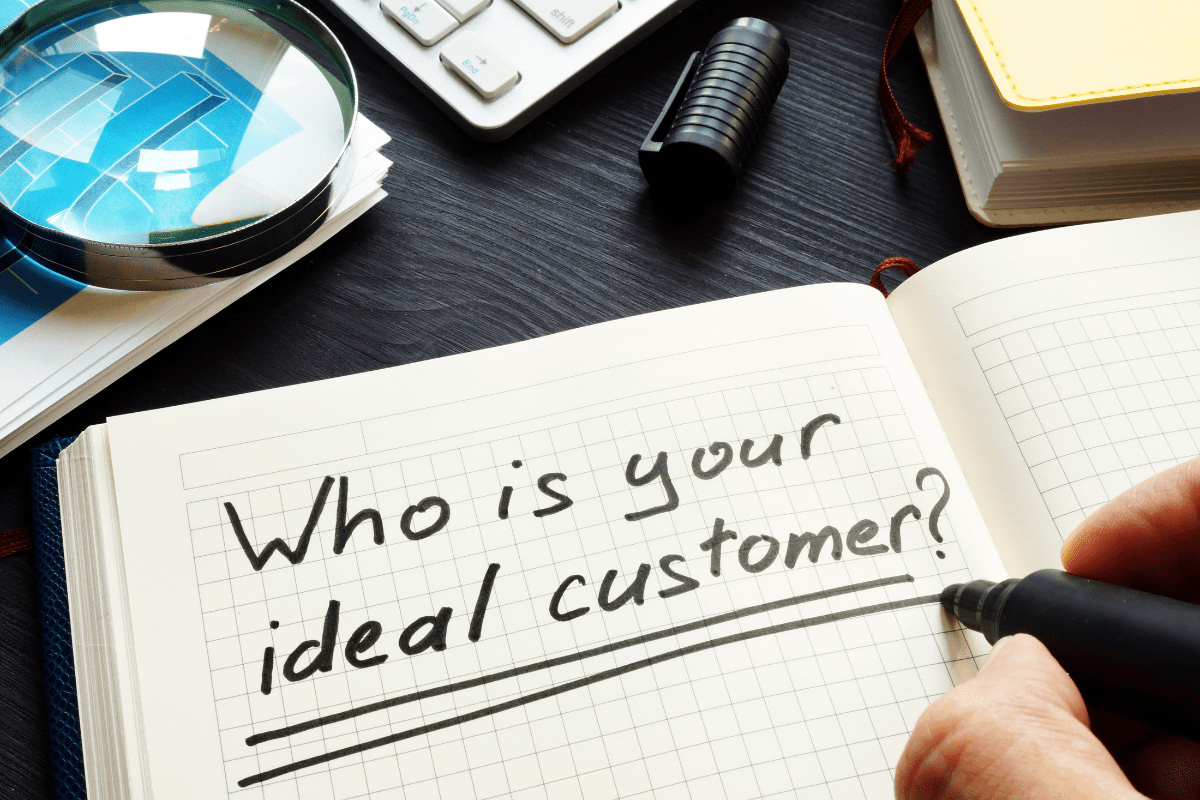
Start with the customers you would gladly clone.
Ask your advisors and leadership team to name five to ten customers they would be happy to see more often. Look for patterns in the relationship, not just the repair order. A strong-fit customer values good advice, approves needed work, keeps vehicles maintained, communicates well, and refers people who behave similarly.
- Which vehicles and services create a healthy fit for the shop?
- Which customers follow a maintenance plan instead of waiting for a crisis?
- Which customers value safety, reliability, convenience, or expertise over the lowest price?
- Which relationships are profitable without exhausting the front counter?
Describe the situation, not a stereotype.
Age and income can be useful, but a profile becomes actionable when it explains what the customer is trying to accomplish. Note where they live, what they drive, who depends on the vehicle, how they prefer to communicate, and what makes choosing a repair shop feel risky. Those details help your marketing address a real decision.
Turn the profile into marketing choices.
Use the profile as a filter. A customer who values predictable transportation may respond to maintenance planning, easy scheduling, and clear updates. A European-car owner may care more about specialized knowledge and the right diagnostic equipment. Match the promise, proof, offer, and channel to the customer you want—not to everyone within driving distance.
- Lead with the customer problem your shop is best equipped to solve.
- Show proof that matters to that person, such as reviews, credentials, photos, or process.
- Choose channels based on where that audience pays attention.
- Give advisors the same language so the experience matches the campaign.
Validate the profile with shop data.
Treat the first profile as a working hypothesis. Compare it with repair-order quality, vehicle mix, retention, declined work, call recordings, reviews, and customer feedback. Revisit it when capacity, staffing, specialty, geography, or business goals change. The useful profile is the one that keeps improving real decisions.
Put this into practice
Related marketing services
Want help applying this to your shop?
Bring the question to a strategy call. We will talk through what is working, what is leaking, and what may make sense next.
Book a Strategy CallKeep going