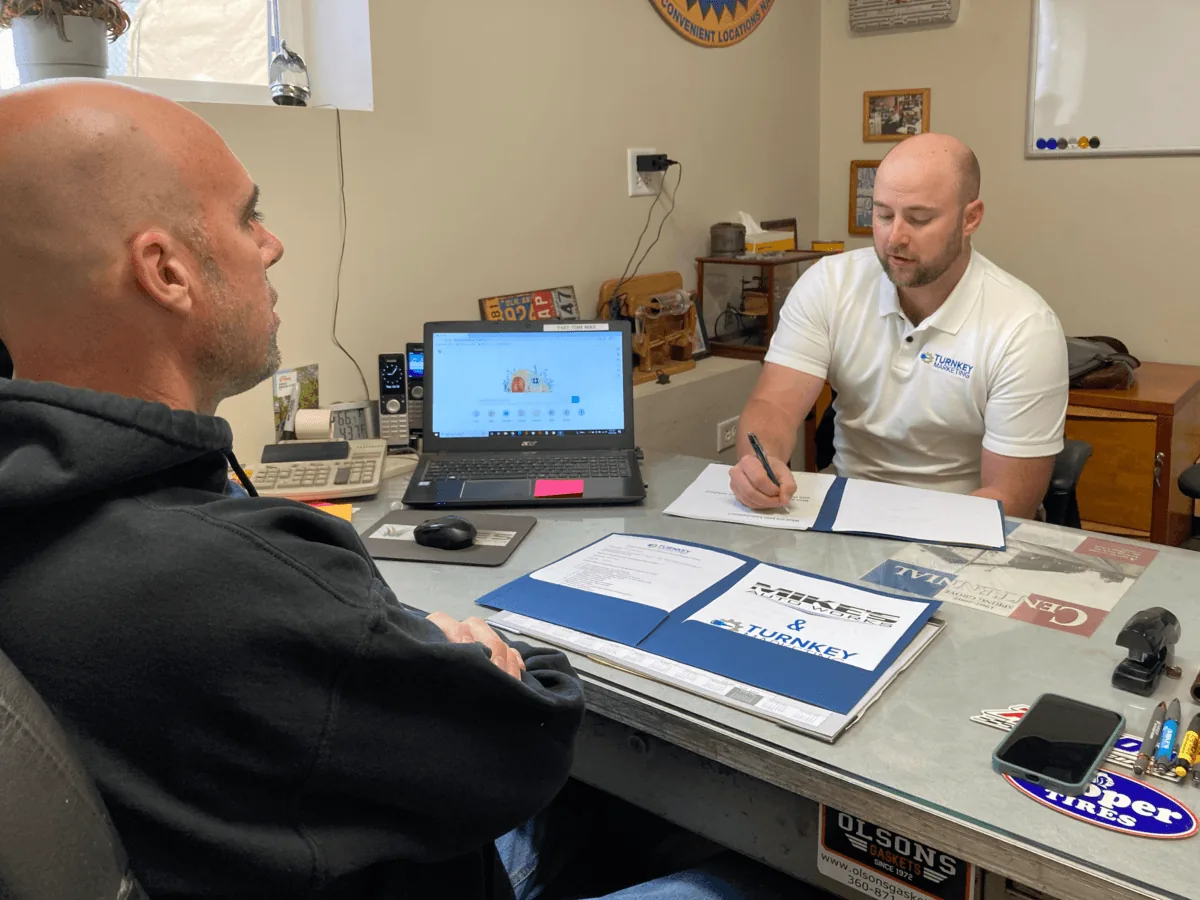
How to Improve the Customer Experience at Your Auto Repair Shop
Make every step of the visit easier to understand. Give one person the fix, then check whether customers notice.
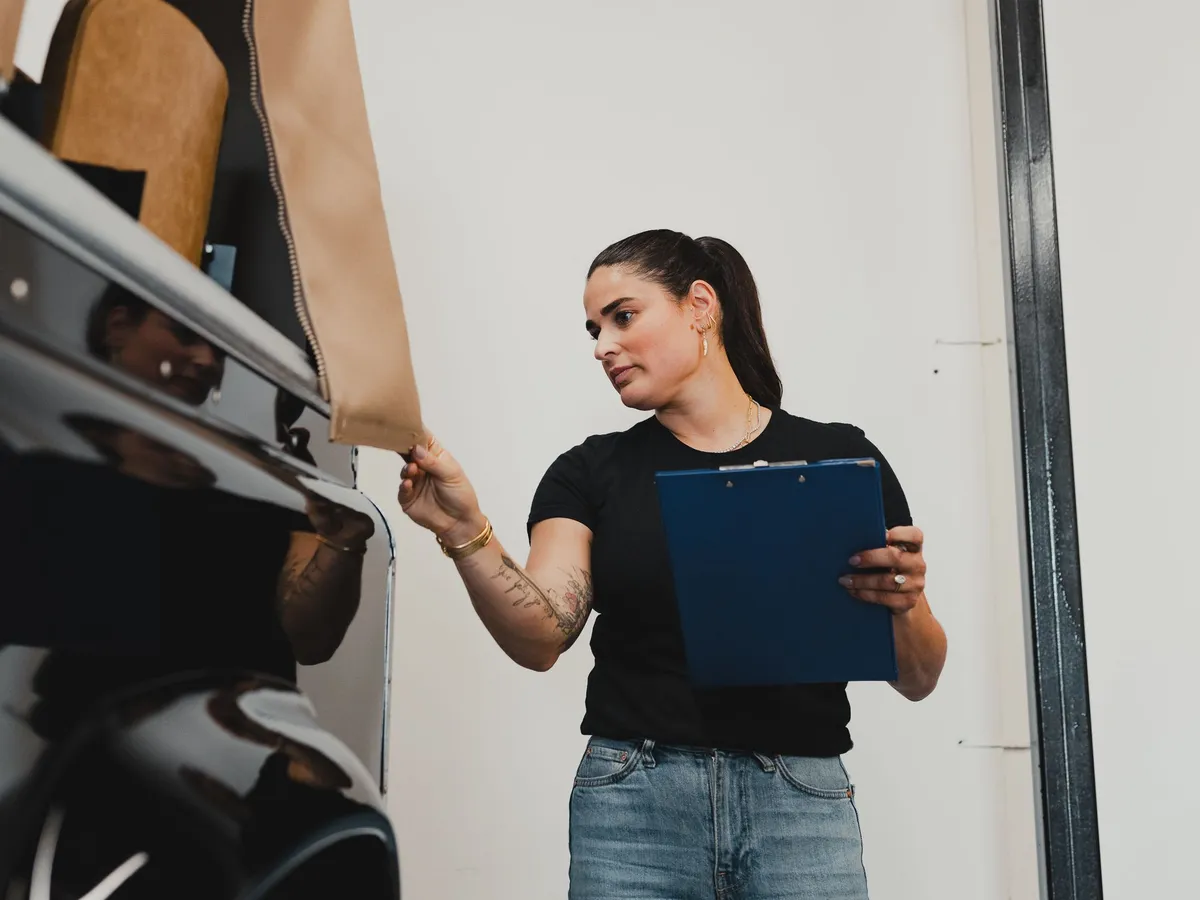
To improve the automotive customer experience at your auto repair shop, make every step of the visit easier to understand: booking, check-in, the estimate, progress updates, pickup, and follow-up. Find the step that leaves customers guessing, give one person the fix, and check whether customers notice.
A customer can leave with a correctly repaired vehicle and still feel frustrated. Maybe nobody explained the bill. Maybe they spent the afternoon wondering whether to arrange a ride.
The repair matters. So does everything the customer has to do around it.
Look at the whole visit
Most talk about customer service in the automotive industry is about buying cars. For an independent shop, the visit that matters is the service visit, and the relationship that follows it.
Capgemini’s automotive research points to inconsistent experiences across digital and in-person channels. That research covers the broader industry, not your shop. The useful question for you: do your website, your phone conversation, and your front counter all set the same expectations?
Walk through a recent visit with your team. Where did the customer have to ask twice, wait without an explanation, or repeat themselves? Start there.
Make booking and check-in clear
Say whether your online form requests an appointment or confirms one. Explain when the customer will hear back and what to do if the vehicle needs attention today.
At check-in, confirm the concern in the customer’s own words, their preferred way to be contacted, and how they are getting home. Separate the drop-off time from when diagnosis will start. Don’t promise a finish time before your team knows what the job involves.
Whatever the customer typed online should reach the advisor. Explaining the same noise three times is a rough way to start a visit.
Give service advisors a simple routine
Your advisors deliver most of the customer service a driver will remember. Good service advisor customer service doesn’t depend on a perfect personality. It depends on a routine they can repeat on a busy Monday.
Three habits do a lot of the work:
- Restate the concern before the customer leaves the counter.
- Name the next contact before every conversation ends: who will call, and roughly when.
- Write it down where the next person can see it, so a day off doesn’t reset the conversation.
Explain the decision in the estimate
A useful estimate conversation answers four questions: what did you find, what do you recommend, what will it cost, and what happens next?
Use photos or inspection findings when they help. Explain technical terms in plain language. Let the technician’s findings guide any talk about urgency, and give the customer room to ask questions.
If the scope changes, explain the new work and the new total before going ahead through your authorization process.
Promise the next update
You may not know the finish time yet. You can usually say when you’ll call next.
For example: “We’re waiting for the supplier to confirm the part. I’ll call you by two with what we know and the next step.”
Then make that call, even when the answer is still “we’re waiting.” Deloitte’s look at automotive delivery visibility is about new-vehicle orders, but the point carries over: people handle a wait better when they know where things stand.
Make convenience specific
Look at the customer’s day. Do your hours, drop-off instructions, ride options, and pickup process actually fit together?
You don’t need every convenience. Explain the ones you offer, including the limits. Uber’s automotive customer experience guide treats transportation as part of the visit. Whether it’s a shuttle, a ride service, or a neighbor with a minivan, make the arrangement clear before the customer arrives.
At pickup, walk through the completed work, the final bill, and any next steps. Make sure the customer knows who to call with a concern.
Track one improvement at a time
Automotive customer satisfaction is hard to raise with a general promise to “do better.” It moves when one specific step gets easier.
Use a simple improvement record:
Example improvement record
What are customers telling us?
They wait at pickup while the invoice gets finished.
What will change?
The invoice is ready and reviewed before the pickup call.
Who owns it?
The assigned advisor, with a named backup.
What will we measure?
Minutes from arrival to keys in hand.
When will we review it?
After four weeks of comparable tracking.
This is a made-up example, not a Turnkey client result. Record your starting point before you change anything, and read customer comments next to the numbers.
For the feedback side of this work, our reputation management guide covers reviews and follow-through, and our AI Google review tutorial helps you spot recurring themes without losing the comments behind them.
Make the marketing match
If customers keep praising clear explanations, show that process in your marketing. If updates are still hit or miss, fix the process before you make communication your headline promise.
Our guide to repair shop messaging helps connect what your team does well with what customers care about.
Common questions
What are the 3 C’s in automotive repair?
Concern, cause, and correction. They describe what the customer reported, what the technician found, and what the shop did about it. Writing all three clearly on the repair order also gives the advisor a simple way to explain the visit at pickup.
What are the key stages of the automotive customer journey?
For a repair shop, the stages are finding the shop, booking, check-in, diagnosis and estimate, updates during the repair, pickup, and follow-up. Each stage is a place where the customer can feel informed or left guessing.
What are good customer experience examples?
An advisor who calls at the promised time with a real update. An estimate that separates urgent work from items that can wait. A pickup where the invoice is ready and explained. None of these need new software. They need a clear owner.
Pick one step to fix this month
Choose one part of the visit to improve. Make the responsibility clear, check the result, and build from there. When you want help turning that experience into marketing, book a conversation with Turnkey.
Stop carrying the marketing burden.